
Offshore Detection Infrastructure for Safer Coastlines
Continuous Coastal Awareness
Coastal communities face a persistent visibility gap between open water and the shoreline. Most existing approaches rely on aerial patrols, tagged animal tracking, or reactive beach closures after a sighting.
These methods provide limited coverage and often detect marine activity only after it has already entered swim areas.
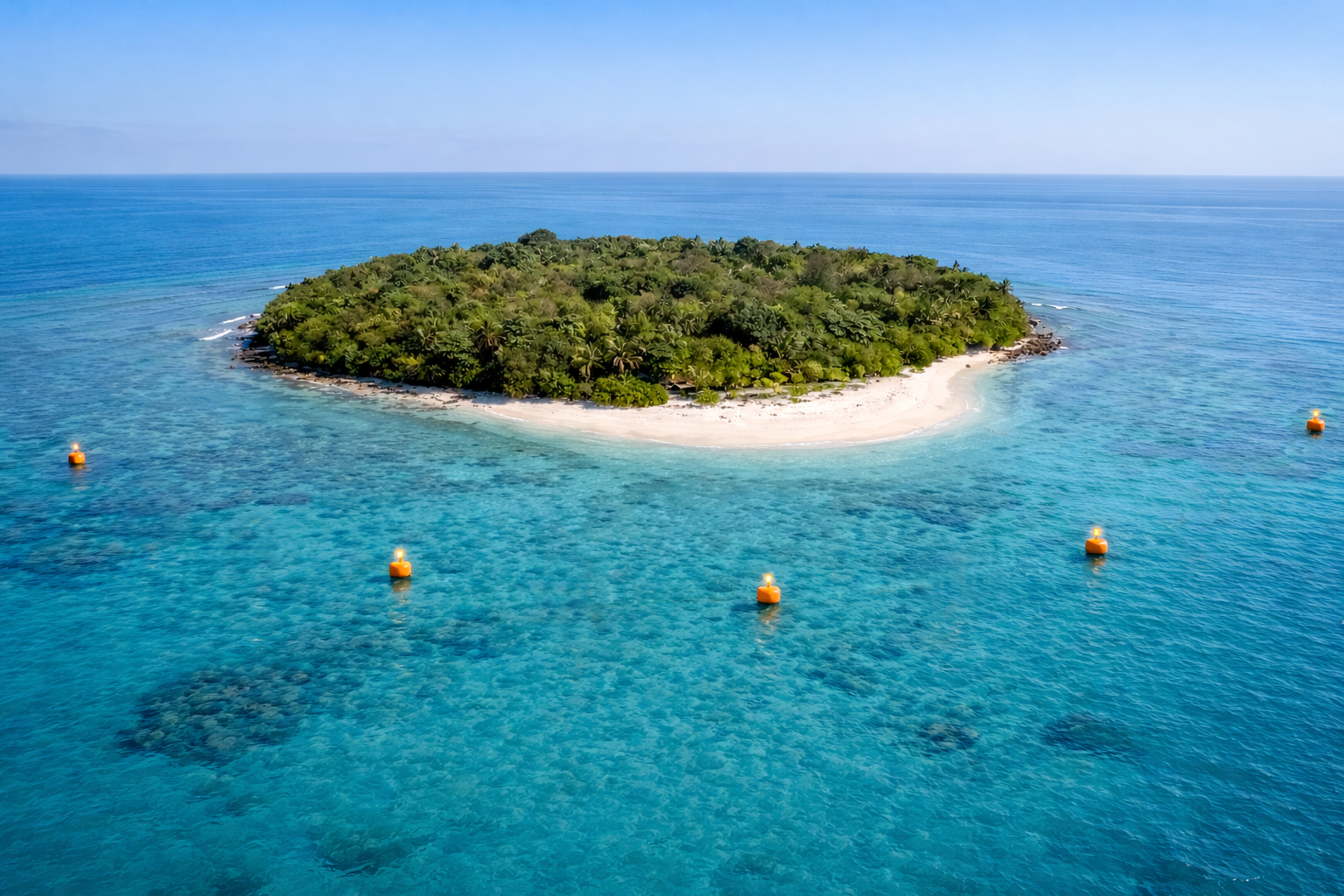
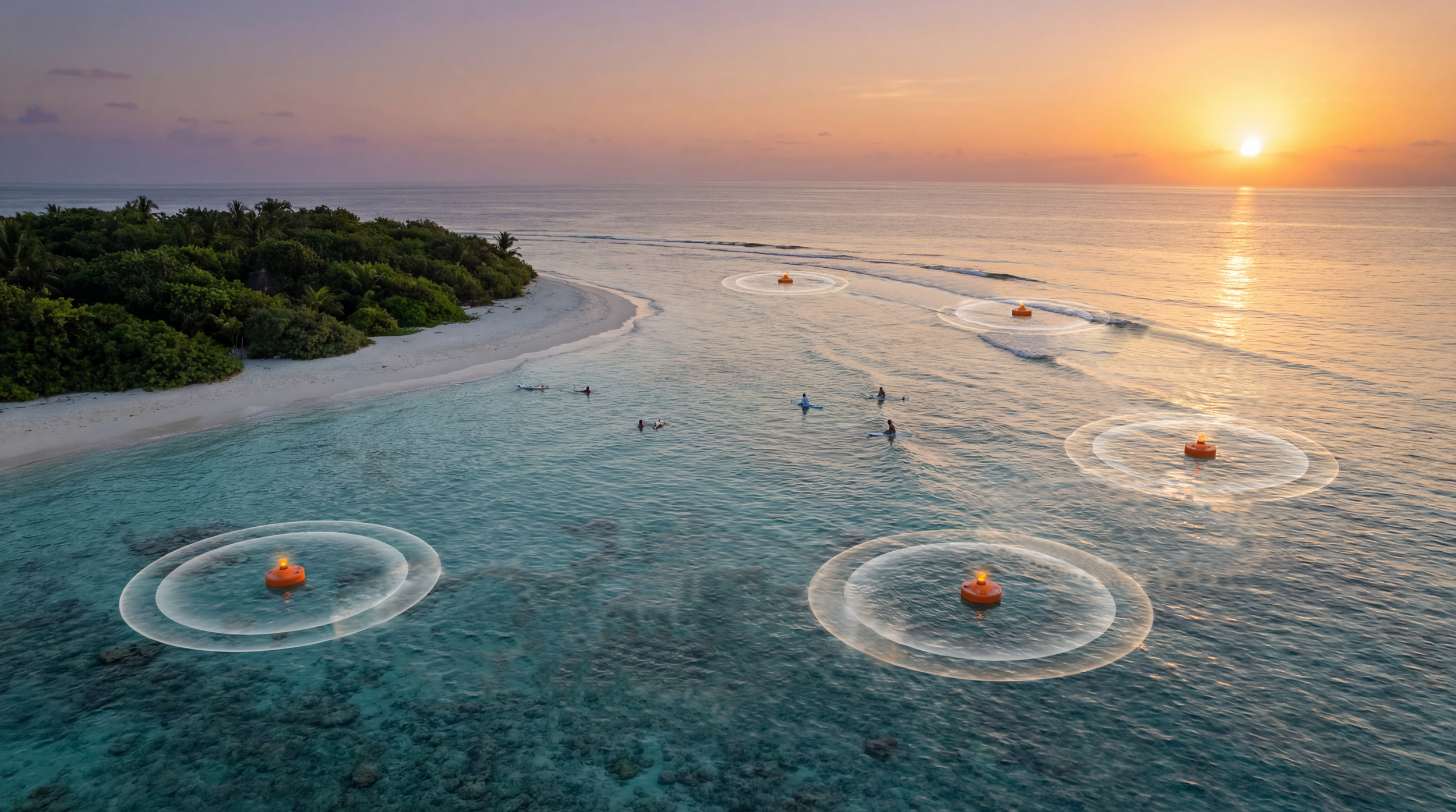
ShoreVize introduces a distributed buoy network anchored to discreet seabed stations positioned offshore. Each buoy functions as an independent monitoring node within a coordinated array, creating overlapping detection zones that provide continuous awareness across designated swim corridors.
When large marine presence is detected, the buoy immediately transmits a zone-specific alert to a shore-based monitoring interface. Lifeguards and coastal operators gain clear situational awareness without relying on aircraft patrols, tagging programs, or speculative animal identification.
The system is designed for straightforward servicing from small vessels using a quick-connect station interface, allowing individual buoys to be replaced quickly while the monitoring network remains active.
Built for Real-World Coastlines
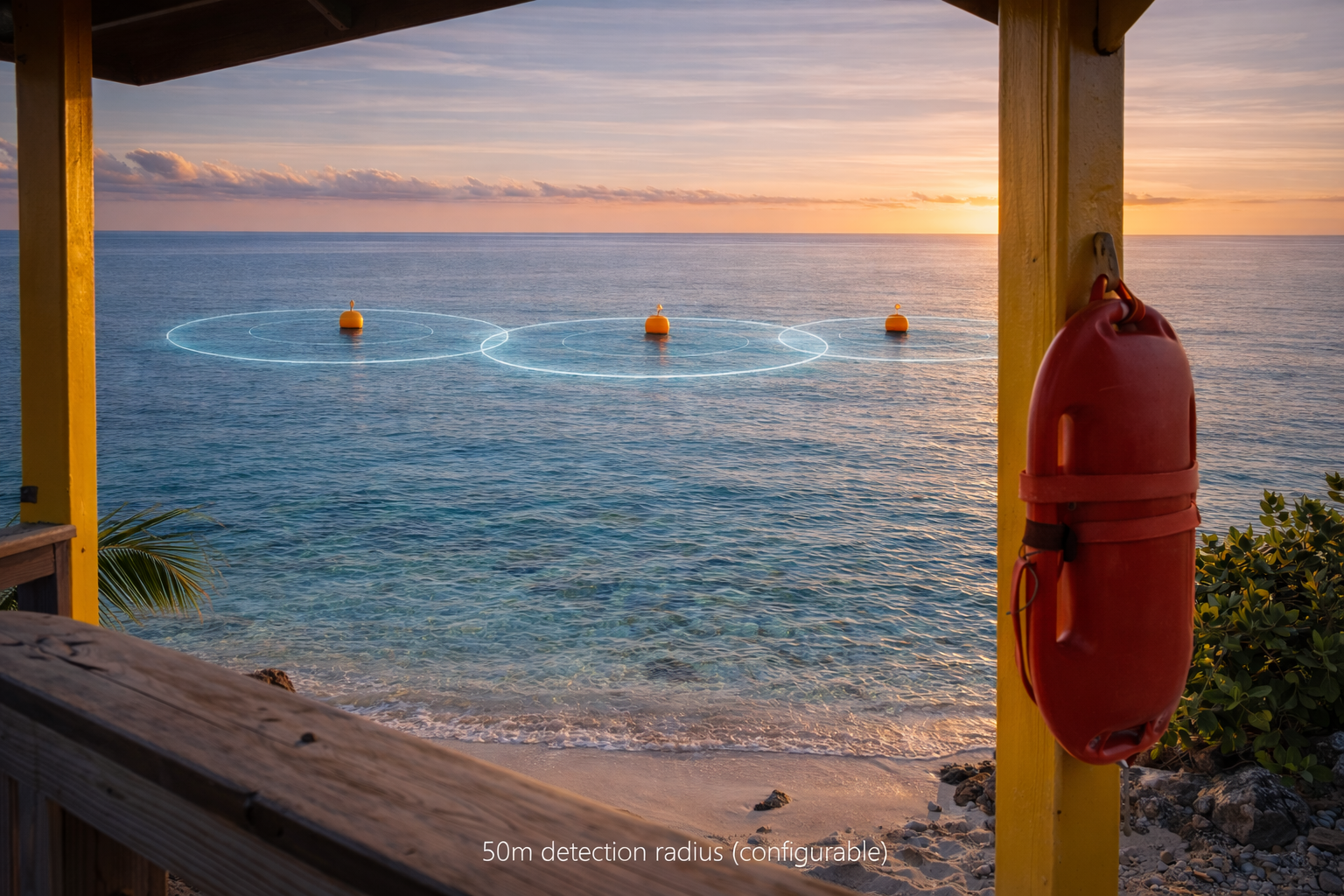
ShoreVize uses a modular buoy network anchored to discrete seabed stations to create monitored coastal zones. Each buoy operates as an independent sensing node within a coordinated array, transmitting real-time presence alerts to shore.
The system is designed for rapid servicing from small vessels using a quick-connect station interface. Buoys can be replaced in minutes without divers, allowing operators to maintain reliable coverage with minimal disruption.
Modular Anchor Stations
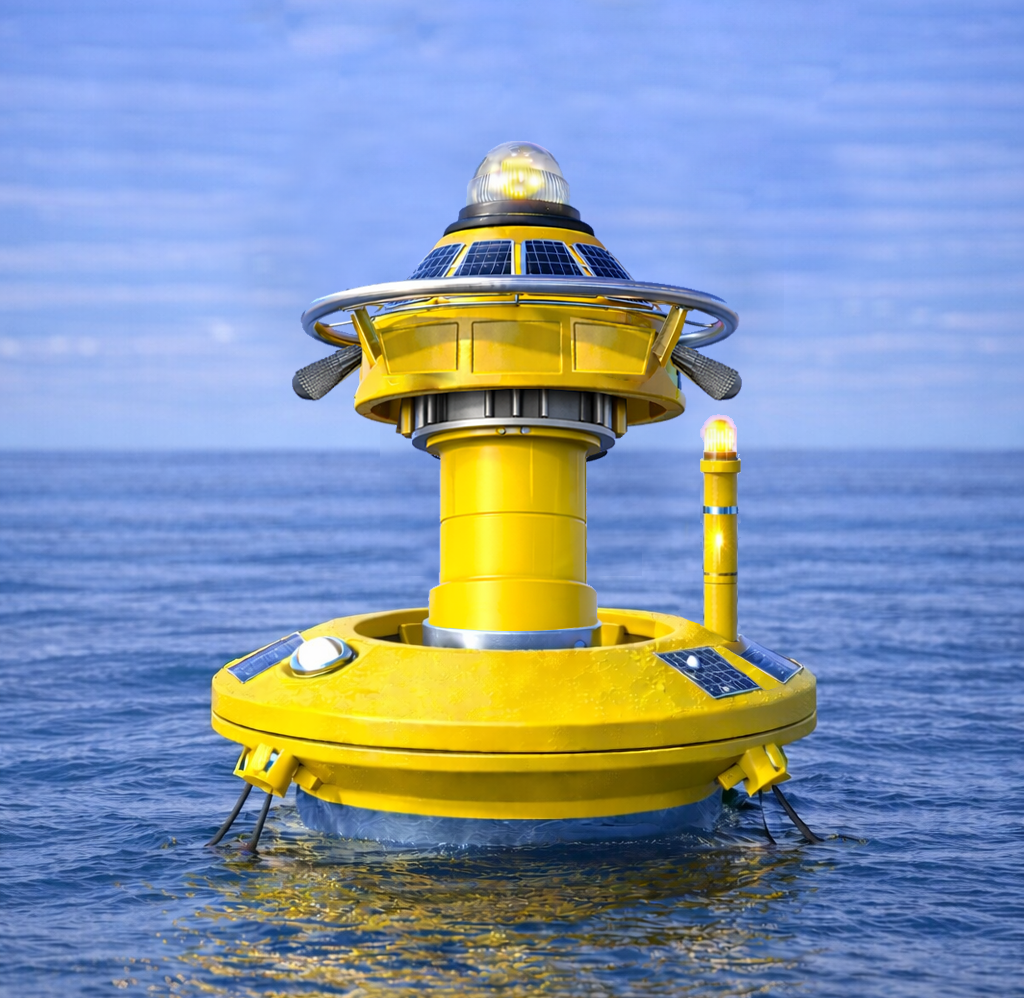
Each ShoreVize buoy consists of a permanently moored base station and a removable sensor buoy. The base station remains anchored to the seabed via a subsurface bridle mooring, with a fixed visibility mast and navigation light that stays lit at all times.
The sensor buoy—containing sonar, solar panels, and electronics—docks into the base through a quick-connect interface. When servicing is needed, operators approach by small boat, release the latch, and lift the sensor buoy using an integrated service ring. A subsurface float automatically raises the connection point, allowing a replacement sensor buoy to be docked without entering the water.
Once the new buoy locks into place, the connection point retracts below the surface, leaving only the sensor buoy and permanently lit mast visible. This modular architecture enables routine maintenance in minutes, eliminates the need for divers or anchor retrieval, and ensures continuous navigational compliance at all times.
Zone-Based Alert Monitoring
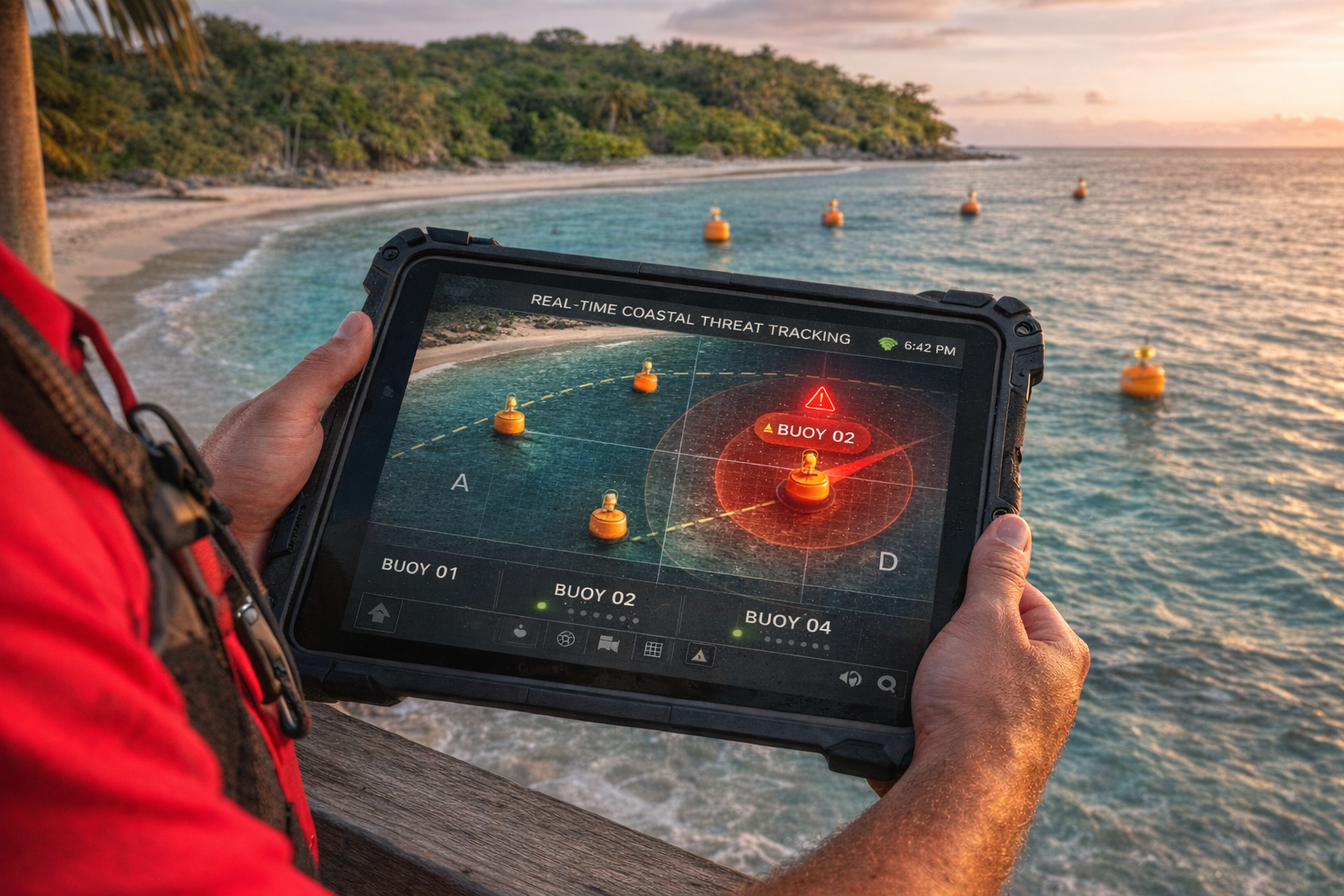
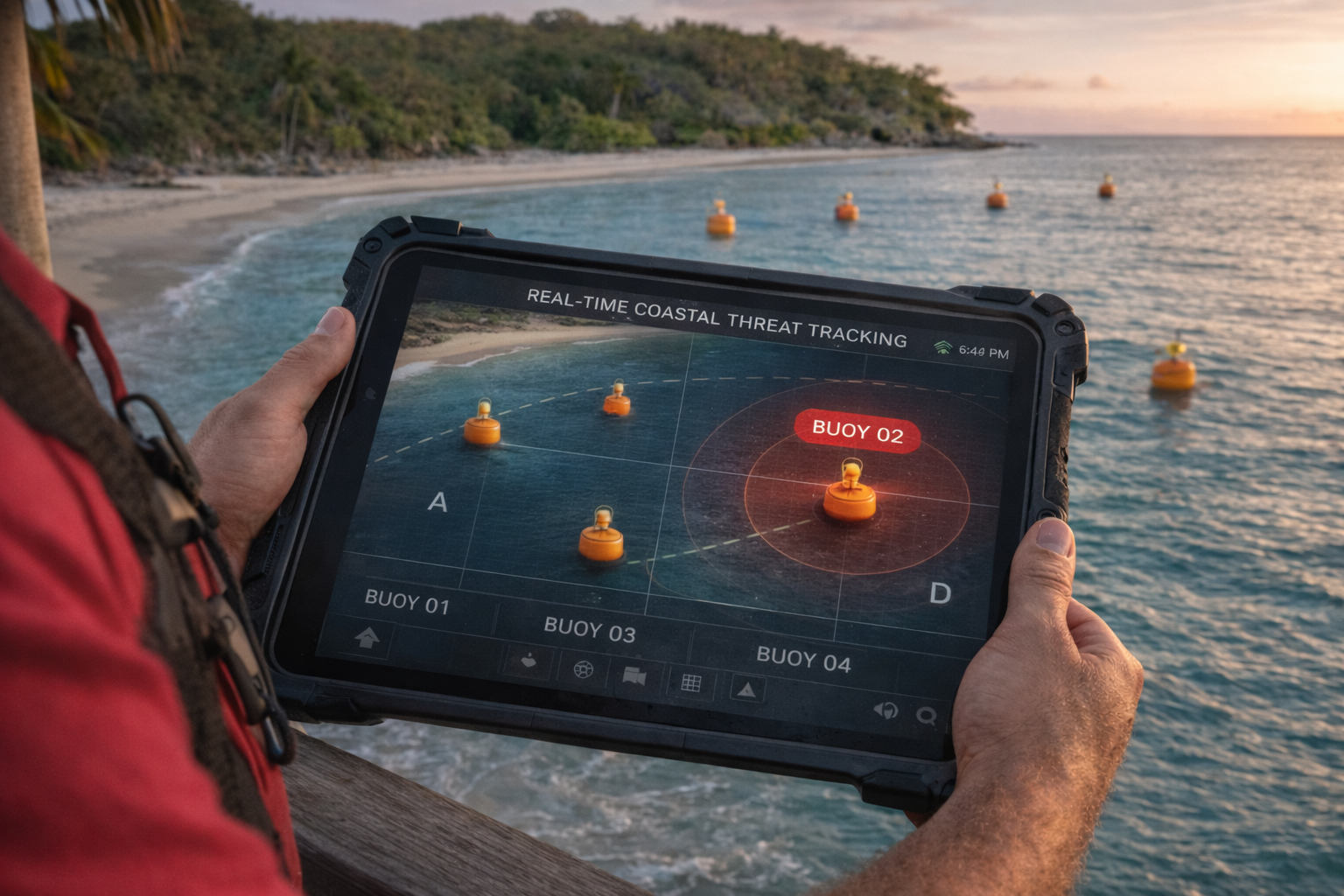
ShoreVize provides operators with a live status view of the entire buoy array.
Each buoy reports its operational state in real time. Green indicates normal conditions. Red indicates detected large marine presence within the defined coverage zone.
No species identification.
No predictive modeling.
Clear, immediate awareness.
When a buoy shifts to alert status, the affected zone is instantly visible across the system.
From Detection to Notification
Presence Detected
Each ShoreVize node continuously monitors its defined coverage radius.
When large marine presence enters the zone, the buoy transitions to alert state.
Zone Alert Visible to Operators
The dashboard displays the live operational state of every deployed buoy.
When one transitions to alert, the affected zone is instantly highlighted across the array.
Immediate Haptic Notification
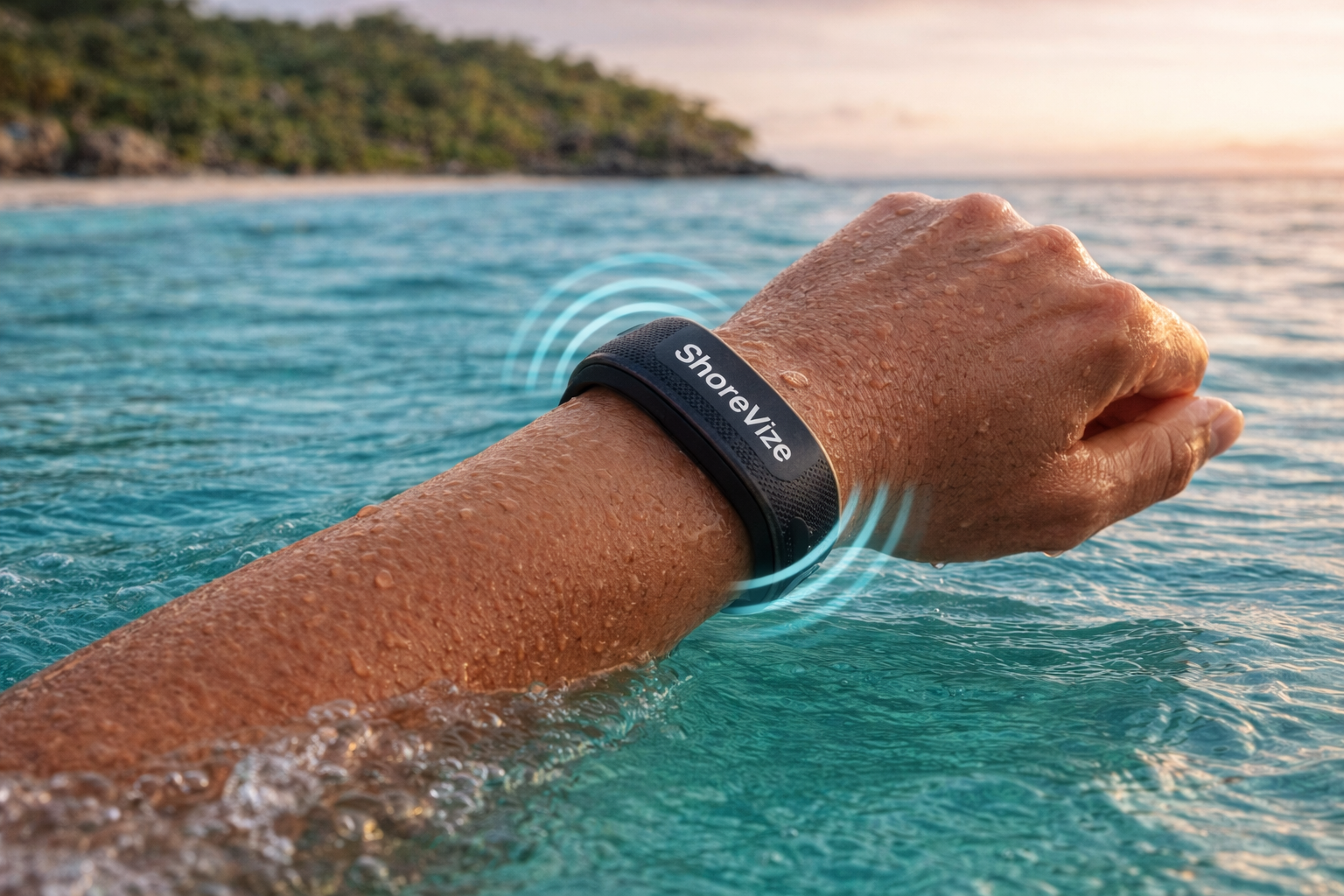
When a buoy enters alert status, connected wristbands receive the signal and initiate vibration upon surfacing.
No user interaction required.
Contact
Feel free to contact us with any questions.
Email
info@shorevize.com